Project Songbird
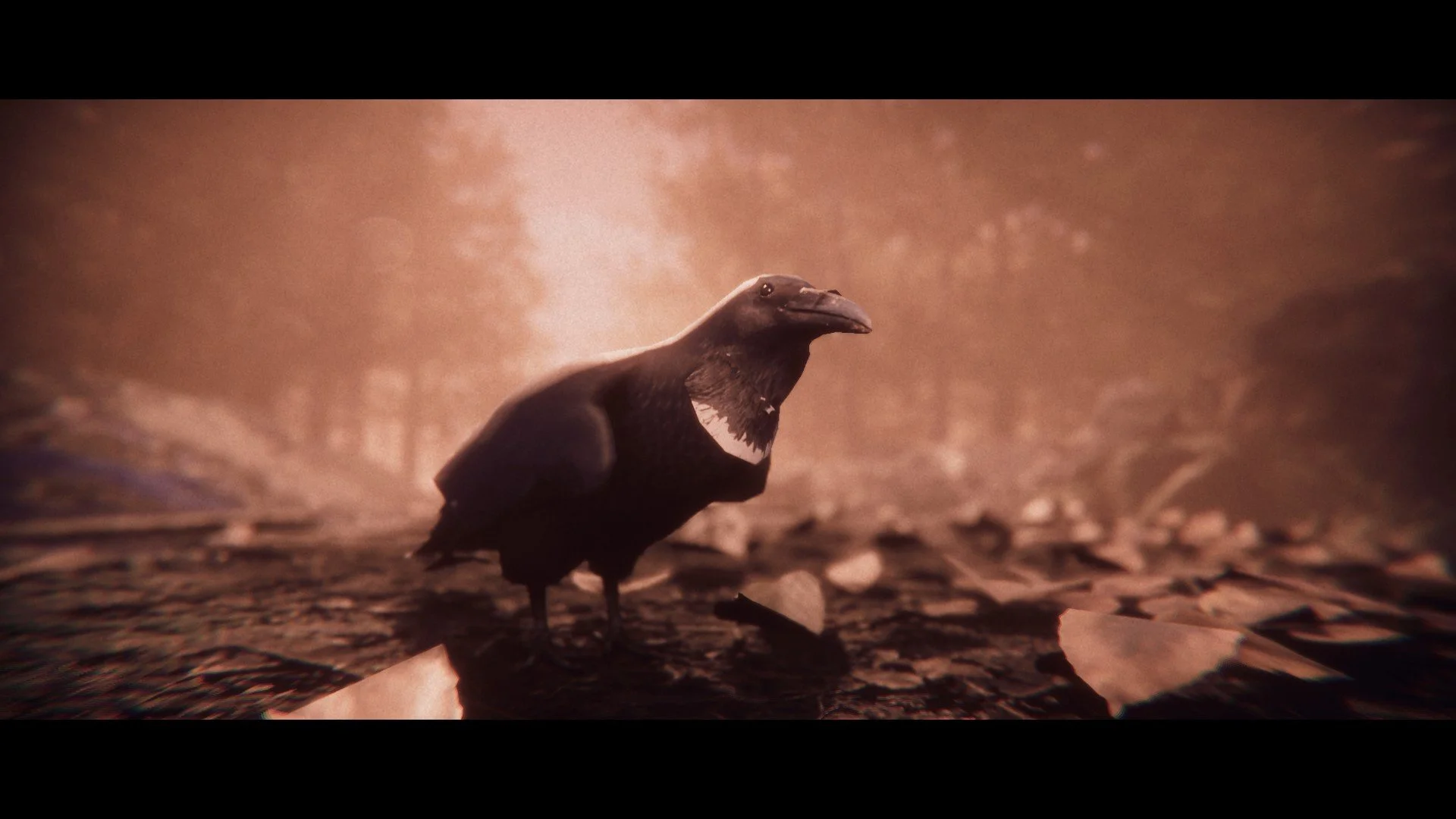
Developer: FYRE Games (Conner Rush)
Publisher: FYRE Games
Released on: PC
The gaming medium offers multiple ways to frighten players, and it’s fascinating to watch developers experiment with them. This latest game from Conner Rush, AKA Fyre Games, explores several angles, offering clashes of style and content that bemuse and chill in equal measures.
You are Dakota, a struggling musician in West Virginia (or close by). Dakota has been successful but is now experimenting with a new sound, much to the chagrin of both their record label and fans. Admirably, they’re doing this for themselves, to satisfy their own creative ambitions, a long-held dichotomy at the heart of many creatives. Unfortunately, it’s resulting in plummeting sales and a frustrated agent.
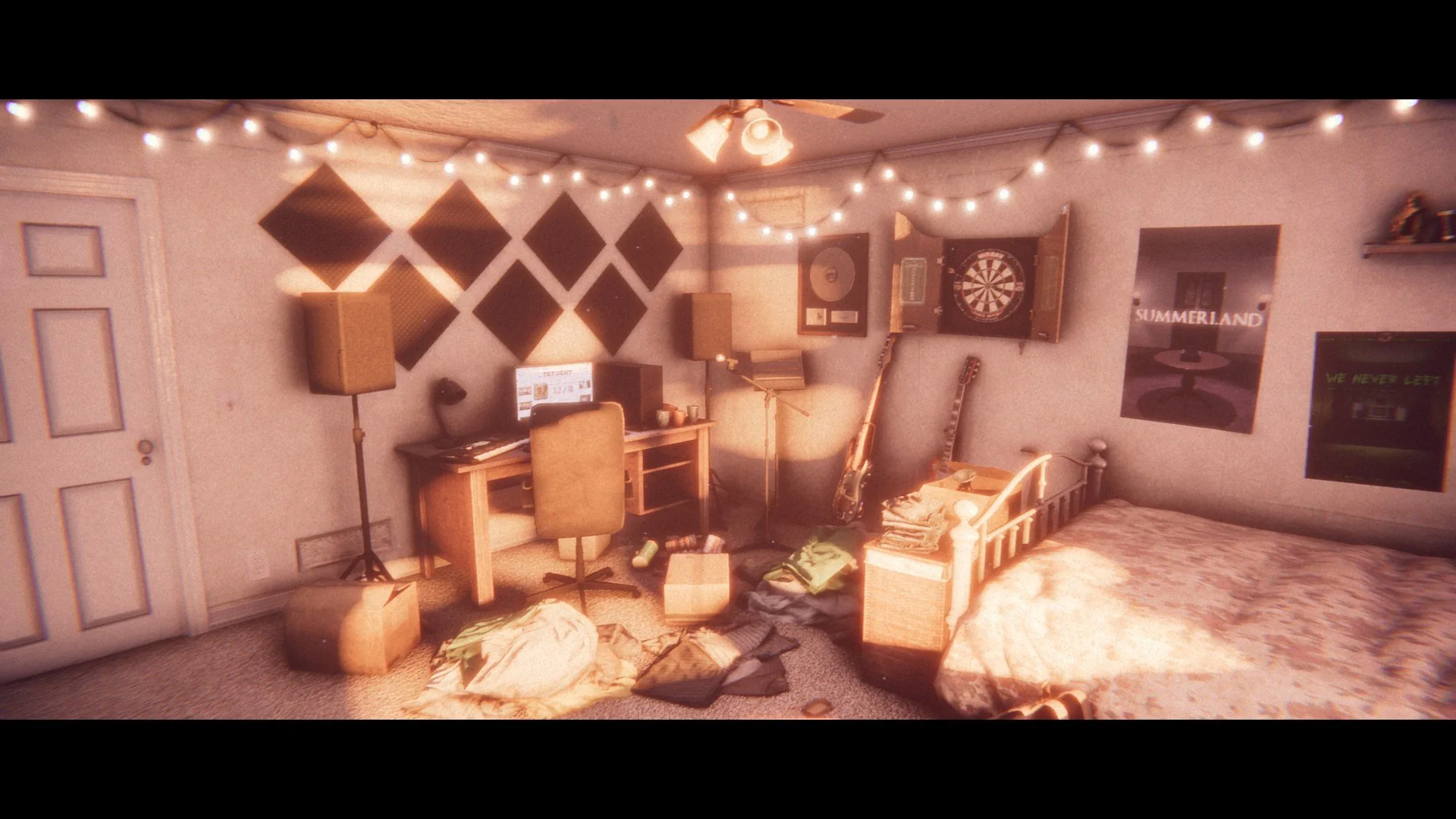
The game begins in Dakota’s messy apartment. The computer shows their latest album review, a withering 3.2 out of 10. Their agent, Rob, is hassling them, but he has an idea. A friend, Don, owns a cabin out in the Appalachian Mountains. It’s remote. It’s off the grid. And it’s rather conveniently got a big enough generator to power all of Dakota’s recording equipment and instruments. They agree, and it’s off to the woods for a whole month to get the creative juices flowing once more.
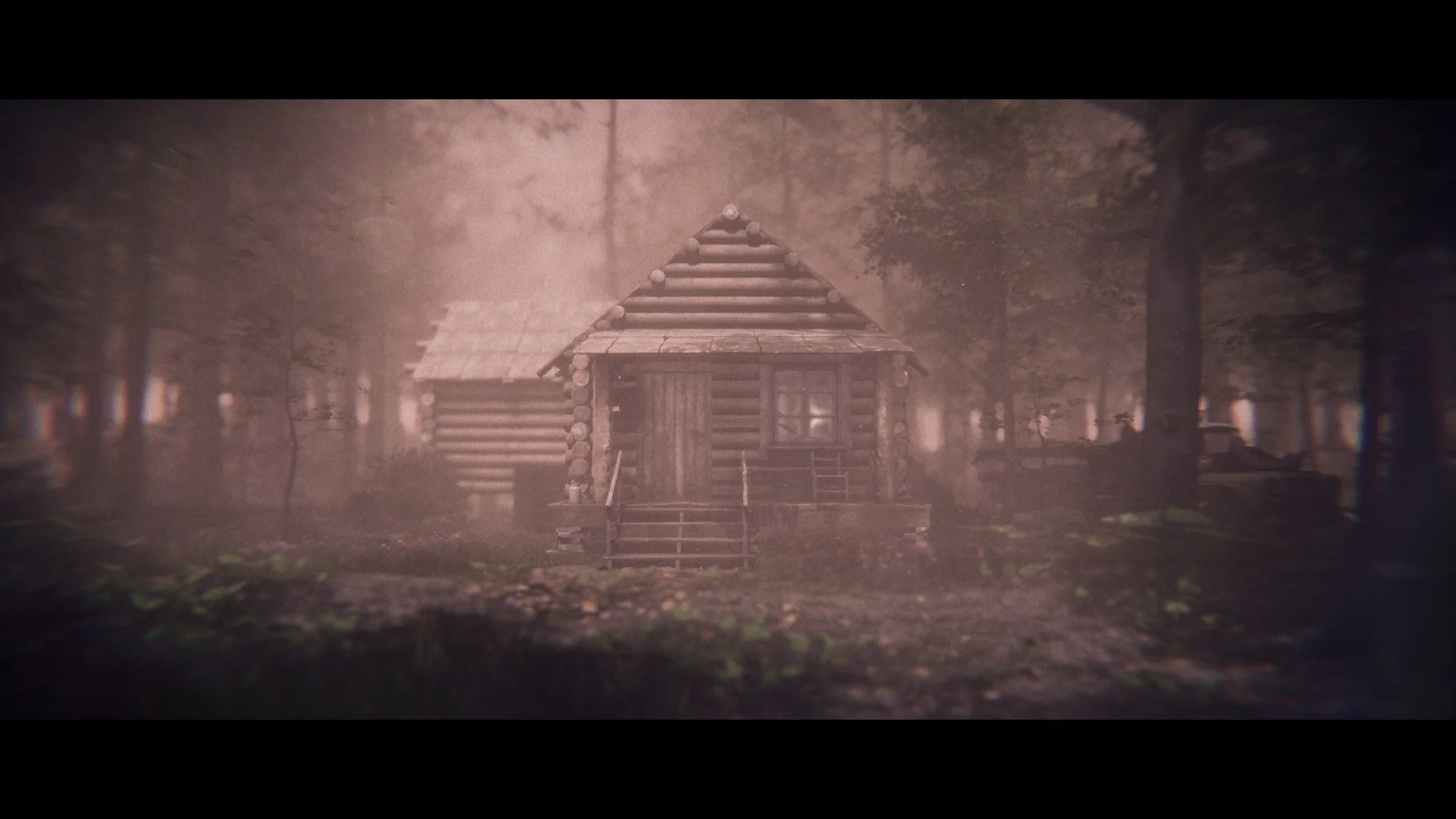
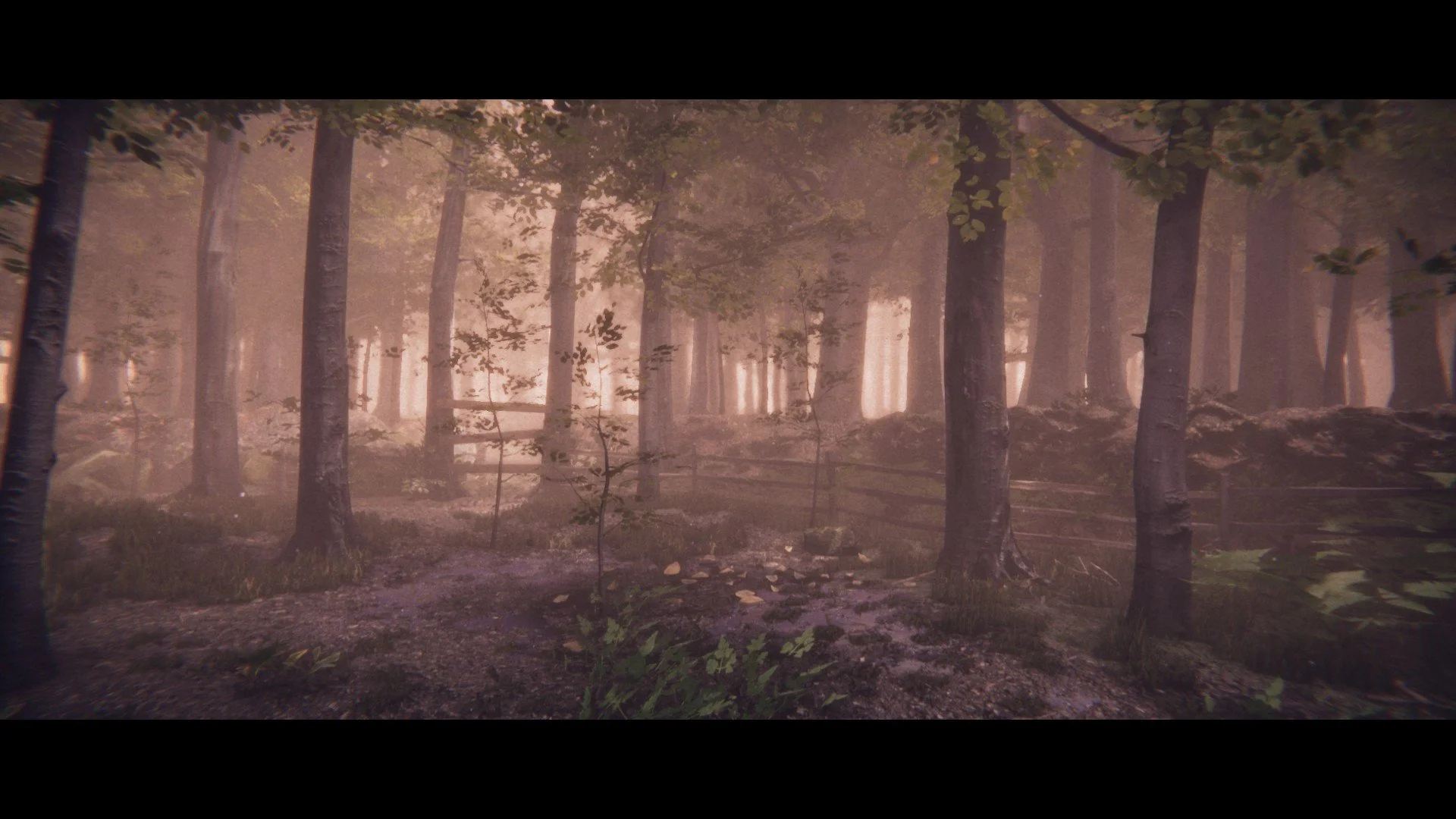
Once arrived, Dakota explores their surroundings. There’s a pump house that supplies clean water to the cabin, and an unpleasant outside toilet. Two paths lead off into the forest, although one is strangely blocked. Thanks to their father, Dakota’s a practical person, soon chopping wood and replacing a dodgy water filter. They seem content in their surroundings, and the setup is ripe for a musical return to form. But Dakota is troubled, as we soon discover.
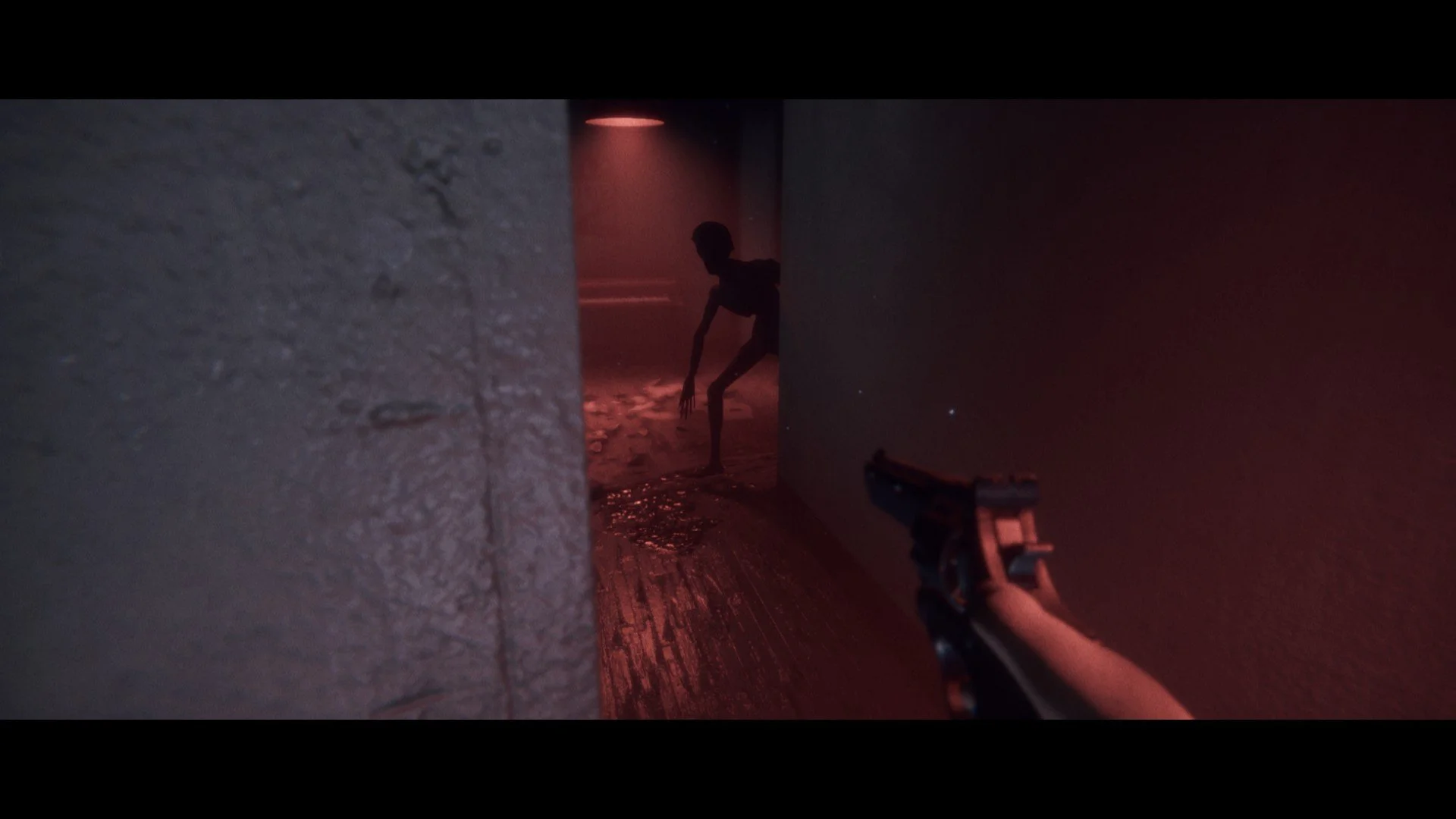
Visions of a mysterious red door plague the musician. When a floating light guides them to one such entrance, incongruously appearing among the trees, they plunge into a nightmarish alternate world where malformed monsters stalk them as they battle the recesses of their own complicated mind.
Project Songbird is a passion project, begun during developer Conner Rush’s sophomore year, and it shows. Every facet, from the display, alternating between soft browns for the day and nightmarish reds and greys at night, to the sound, a subtle mix of discordant background music and albums from actual local bands, is soaked in a love of detail. The story, a subtle mix of artistic stress (which, as we discover, isn’t just musical) and Dakota’s fraught past, is never spoon-fed, unlike the game’s puzzles.
These are generally unchallenging, although that doesn’t always mean easy. In one segment, Dakota must play notes in a certain order to open doors, only there’s a skinny monster closing in on them whenever they take their eyes off it. Other horror tropes appear regularly—mannequins never stop being creepy, do they?—yet Project Songbird effectively juggles these with its atmosphere of unease, breaking the tension with scenes around the cabin, Dakota chugging on cigarettes as both they and we try to process just what’s going on. These moments, in addition to exploring the surrounding woods, have strong Blair Witch vibes, mixed with a dash of Remedy Entertainment’s finest works.
Project Songbird is built around a solid vocal performance from Valerie Rose Lohman (who also starred in What Remains of Edith Finch?, an undoubted influence on this game). There’s a nod to familiar mechanics with upgradeable weapons, which feels at odds with the rest of the game; it’s clear that, at its heart, Project Songbird is more about the journey than guns and combat.
That slow pace, the voyage of self-discovery and realisation of what’s behind Dakota’s troubling visions, will not suit all tastes. But if you stick with Project Songbird, you’ll enjoy an enigmatic and eyebrow-raising experience, albeit one that poses as many questions as it answers.