Dream Cage
Developer: JanduSoft (original PC game by Hitori De Productions)
Publisher: JanduSoft
Platforms: PC, Xbox Series X/S (reviewed), PlayStation 5
Review Key Provided: Yes
Release Date: Out now
This psychological horror arrived on PC last year and debuted on Xbox and PlayStation 5 last month. We’ve taken the opportunity to review the console version, from conversion specialists JanduSoft.
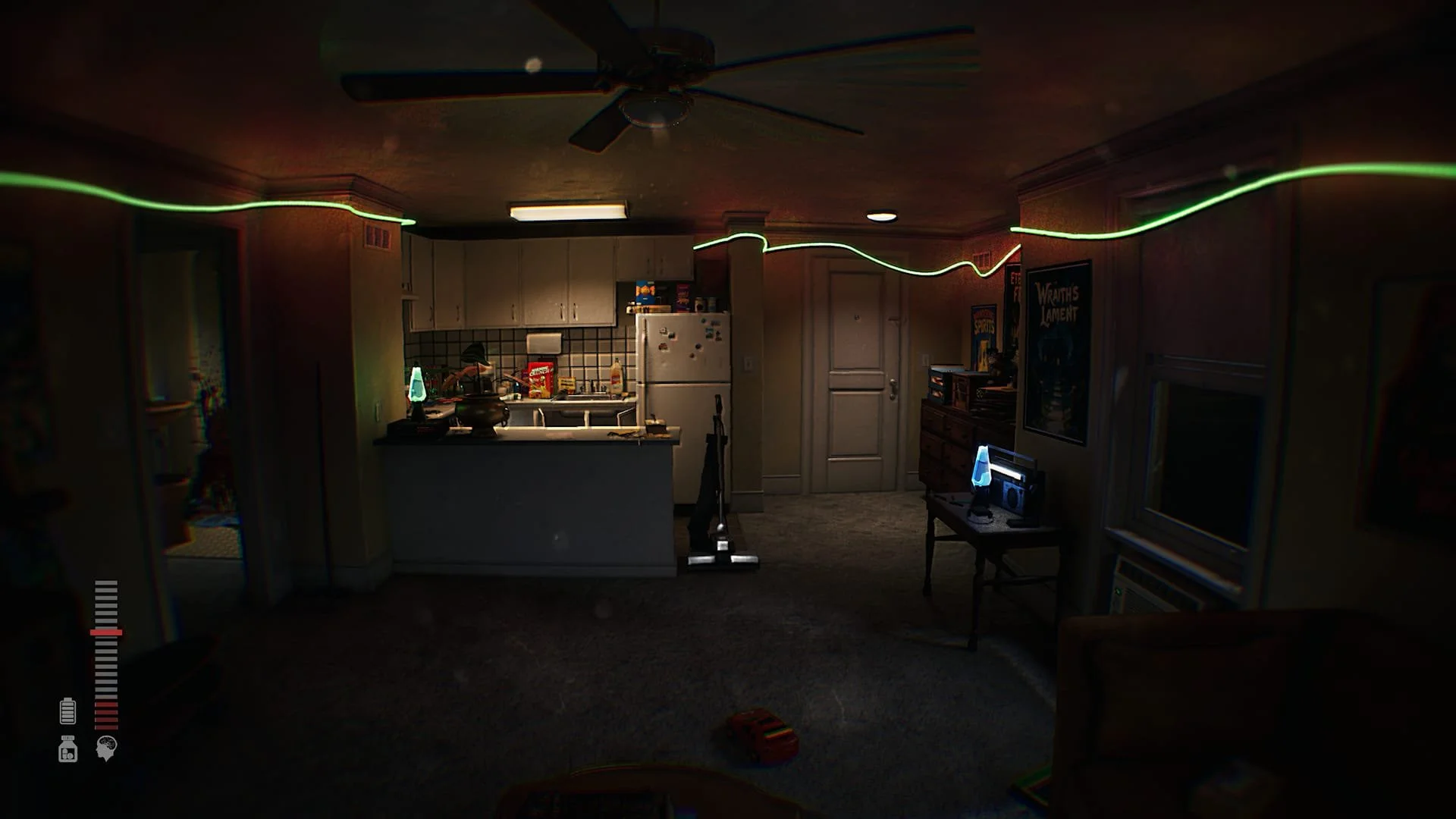
In Dream Cage, you play Robert, a man struggling with memory loss and overmedication. Over five nights (not at Freddy’s), Robert wanders his apartment, figuring out what’s right and what’s not quite right, and snaps anything that looks out of place.
It’s a familiar concept, and being set within one location allows the dev to have fun with the anomaly spotting. The layout also changes each night, adding much-needed freshness to the gameplay.
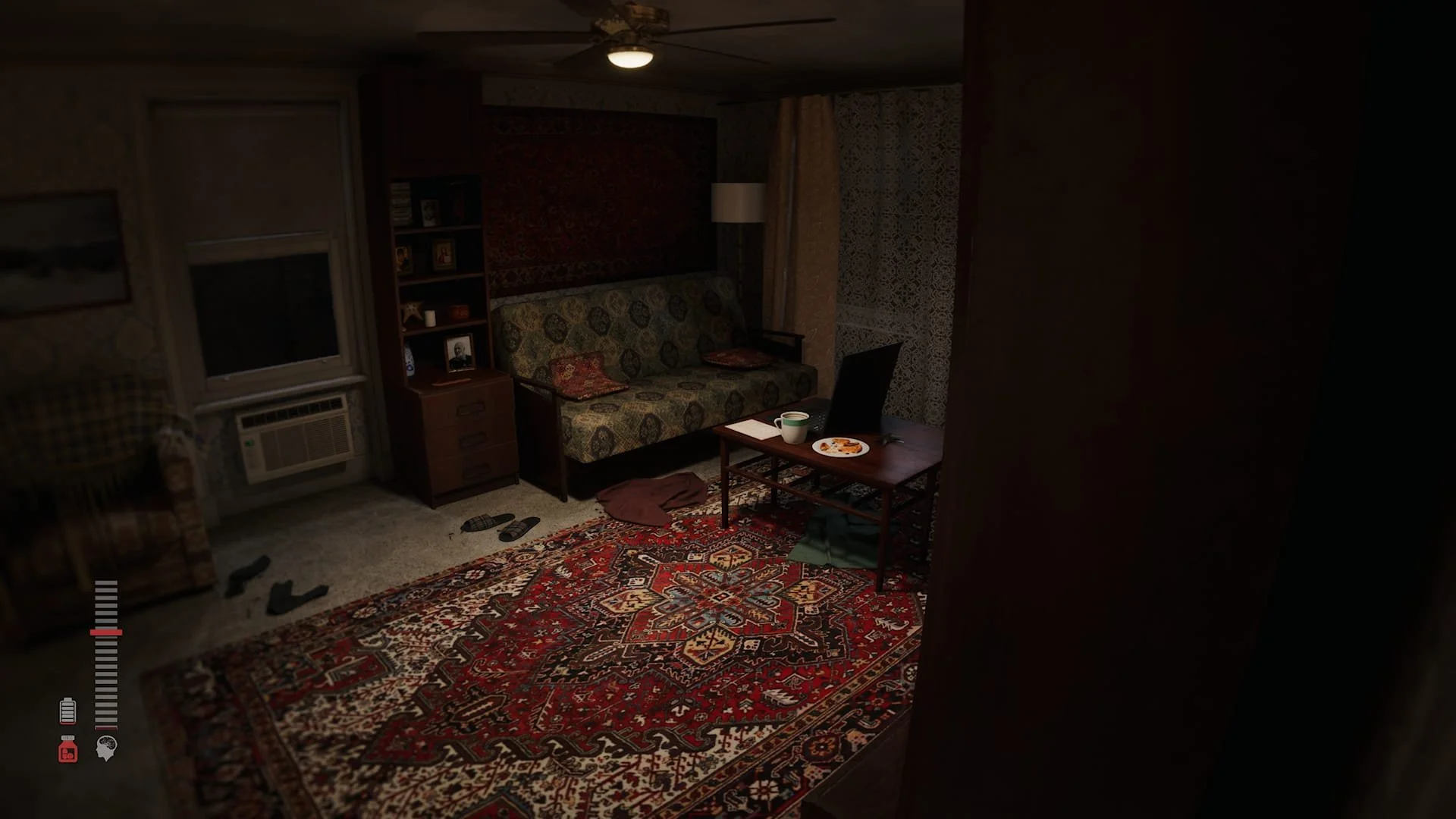
Unfortunately for Robert’s sanity, a vengeful demon wanders the apartment each night. Get too close, and it’s curtains. Discover at least seven anomalies, and he gets to crawl back to bed, though how anyone sleeps in this creepy-ass flat is beyond us. We’d be up all night mainlining Family Guy.
To help Robert’s failing mind, he can chomp down on spurious pills. His camera also needs constant power from small batteries, but fortunately, both spawn continuously throughout each night. The trick is to navigate each room, use your camera to spot anomalies, and avoid the horrific ghosts. An overarching story emerges through four notes scattered around each apartment.
Dream Cage is a frustrating game. All the pieces of an outstanding horror are there—the audio is outstanding, and the atmosphere is superb, with the player really feeling trapped in this small apartment—they’re just mixed up, with odd technical issues muddying the waters further. A typical run delivers a spine-tinglingly fantastic moment, followed by some clunky gameplay, or your classic ‘what just happened?!’ moment.
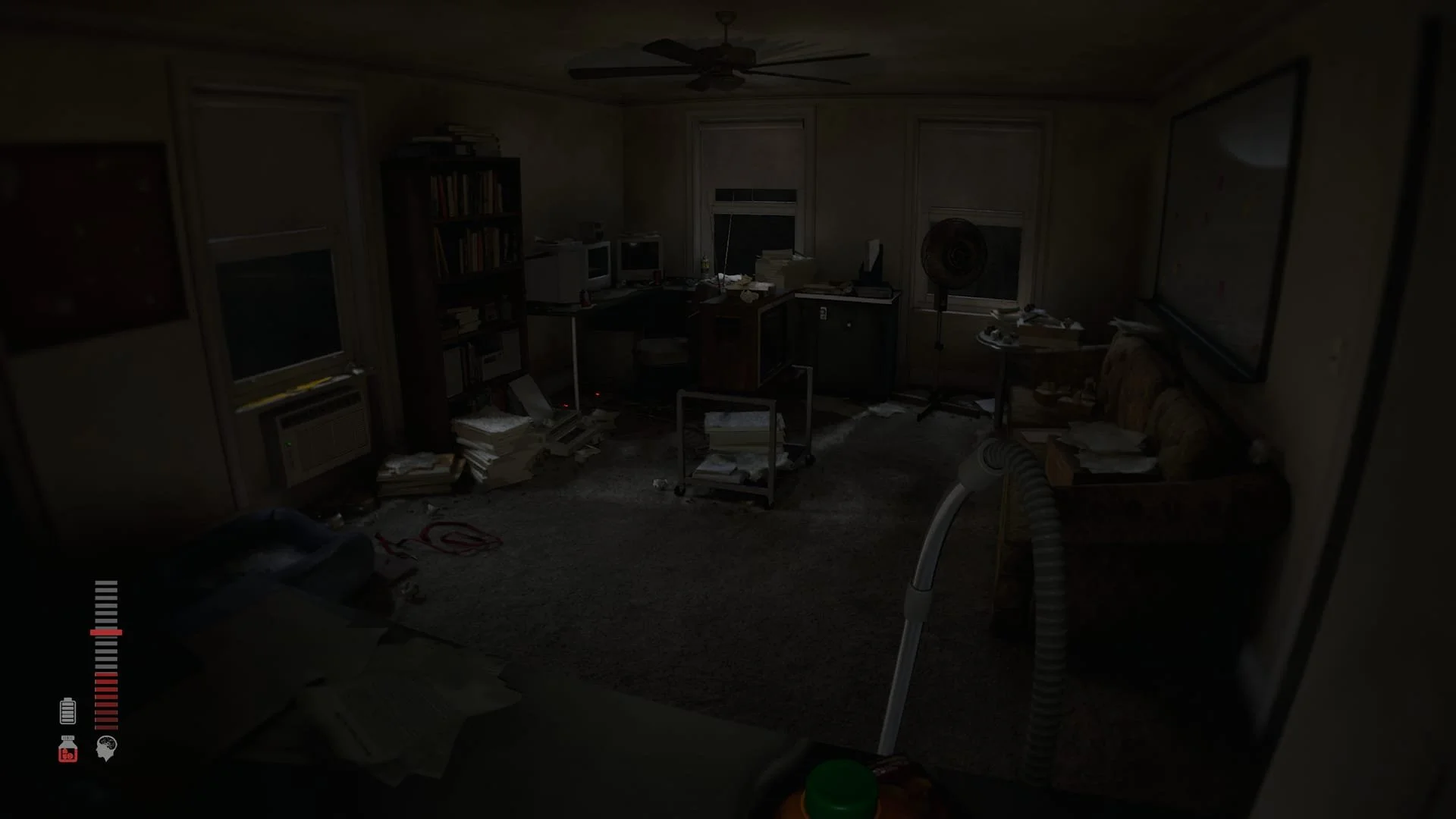
As Robert searches the apartment, the tension mounts as anomaly after anomaly falls under his camera lens. Sadly, a random spook can get you just before you’ve had a chance to notch the minimum seven, which feels a touch cheap. The random spawning of pills and camera batteries also leads to some disappointingly unavoidable nasty ends.
A final point. It’s not the first time sleep paralysis has been used in a horror game, and it certainly won’t be the last. However, the inclusion of Robert’s suffering with Alzheimer’s feels a little more unnecessary and, ultimately, irrelevant.
CONCLUSION
While we appreciate the attempt to bring something different to the anomaly-spotting genre, Dream Cage needed just a little more care in its realisation. A shame, as there are some genuinely frightening moments.